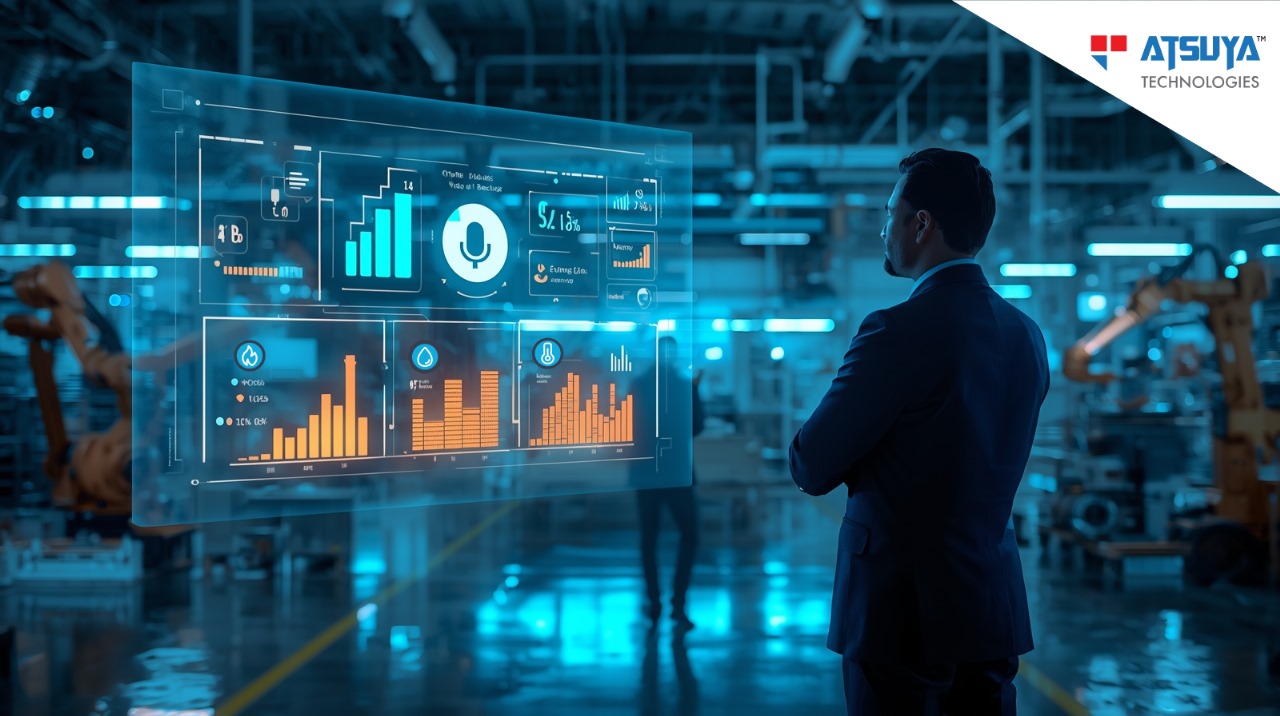

The quick service restaurant industry has always thrived on one promise: speed without compromise. But today, that speed isn’t just about how fast an order is served. It’s about how efficiently operations run, how consistently quality is maintained, and how intelligently data is used to make every decision, from inventory to energy to customer experience.
This is where IoT and AI are changing the game.
Smart kitchens for smarter decisions
Imagine a kitchen where freezers alert you before a temperature deviation spoils inventory. Where every piece of equipment, from fryers to HVAC units, tells you how it’s performing, and where inefficiencies are costing you. With IoT-based sensors and connected devices, that’s not futuristic; it’s here.
IoT enables QSRs to track the health of assets in real time, automate maintenance alerts, and even optimise energy use based on demand. The result? Lower downtime, reduced wastage, and higher operational uptime, all without constant manual supervision.
AI adds another layer by identifying usage patterns, predicting failures, and recommending the most efficient operating conditions. It’s like having a data-driven operations head in every outlet, 24/7.
Compliance that’s always in check
Maintaining hygiene, food safety, and process consistency across multiple outlets is one of the toughest challenges in the QSR world. Traditionally, compliance checks have relied on manual observation, which is time-consuming and often inconsistent.
Now, AI-powered video analytics is stepping in. By integrating AI with your in-store cameras, QSRs can automatically detect safety gear compliance, monitor queue management, and ensure that staff follow hygiene and service protocols. It’s not about surveillance, it’s about enabling accountability and ensuring that every customer experience meets brand standards.
The same technology can even flag anomalies like prolonged prep times or unattended counters, helping managers take proactive action before customer satisfaction dips.
From transactions to insights
Every order placed, every item sold, and every peak-hour rush generates valuable data. Retail analytics powered by IoT and AI turns that data into actionable intelligence, showing you what’s selling fastest, which time slots need staffing adjustments, or how energy usage spikes align with kitchen loads.
These insights empower QSR brands to optimise menu design, reduce resource wastage, and even fine-tune marketing campaigns to drive higher conversions during off-peak hours. In short, data helps you make your next business move not on instinct, but on evidence.
Sustainability and brand trust
Customers today are not just buying convenience; they’re buying consciousness. IoT-enabled monitoring of water, gas, and electricity helps QSRs reduce resource consumption, improve sustainability metrics, and communicate real environmental impact, something increasingly vital for brand reputation.
When combined with AI-based insights, these initiatives don’t just lower costs; they build trust, turning sustainability into a competitive advantage.
The takeaway
For QSR decision-makers, the shift to IoT and AI isn’t just about digital transformation; it’s about operational intelligence. It’s about gaining control, foresight, and visibility in a business where every second and every serving matters.
At Atsuya, we’ve seen this transformation firsthand, helping one of the world’s leading QSR chains save over 30% on monthly energy costs, largely by optimising HVAC efficiency and equipment operation time through real-time IoT insights.
The data is already on the menu; the question is, how ready are you to serve it for growth?